Barbican Centre gardeners for venue planting: creating planting schemes that work in a live arts venue
If you are looking for Barbican Centre gardeners for venue planting, you are probably not just after "some plants in pots". You need planting that can handle a busy venue, look polished under hard light, stay safe around visitors, and still feel alive on a rainy Monday morning. That is a very specific brief. And, to be fair, it should be.
Venue planting has a different job from domestic garden work. It has to support wayfinding, brand feel, guest experience, accessibility, seasonal change, and maintenance realities all at once. Done well, it quietly lifts the whole space. Done badly, it becomes clutter, trip risk, and a recurring headache. This guide breaks down what venue planting involves, how it is planned and maintained, and what to consider if you want a scheme that actually lasts.
For a broader view of the services that can support a planting project, you can also explore the services overview and the team's approach on the about us page.
Table of Contents
- Why Barbican Centre gardeners for venue planting Matters
- How Barbican Centre gardeners for venue planting Works
- Key Benefits and Practical Advantages
- Who This Is For and When It Makes Sense
- Step-by-Step Guidance
- Expert Tips for Better Results
- Common Mistakes to Avoid
- Tools, Resources and Recommendations
- Law, Compliance, Standards, or Best Practice
- Options, Methods, or Comparison Table
- Case Study or Real-World Example
- Practical Checklist
- Conclusion
- Frequently Asked Questions
Why Barbican Centre gardeners for venue planting Matters
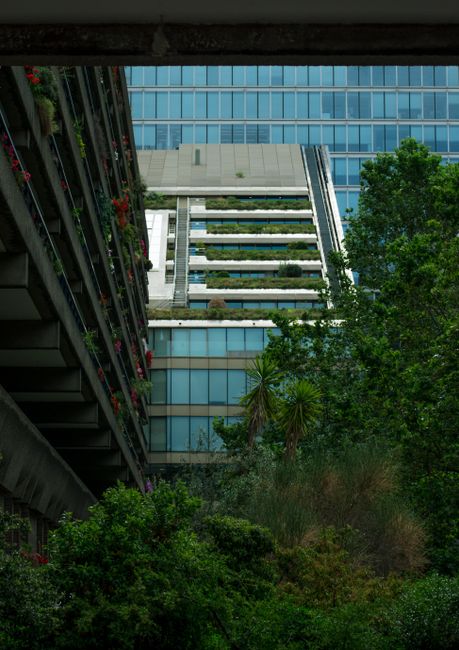
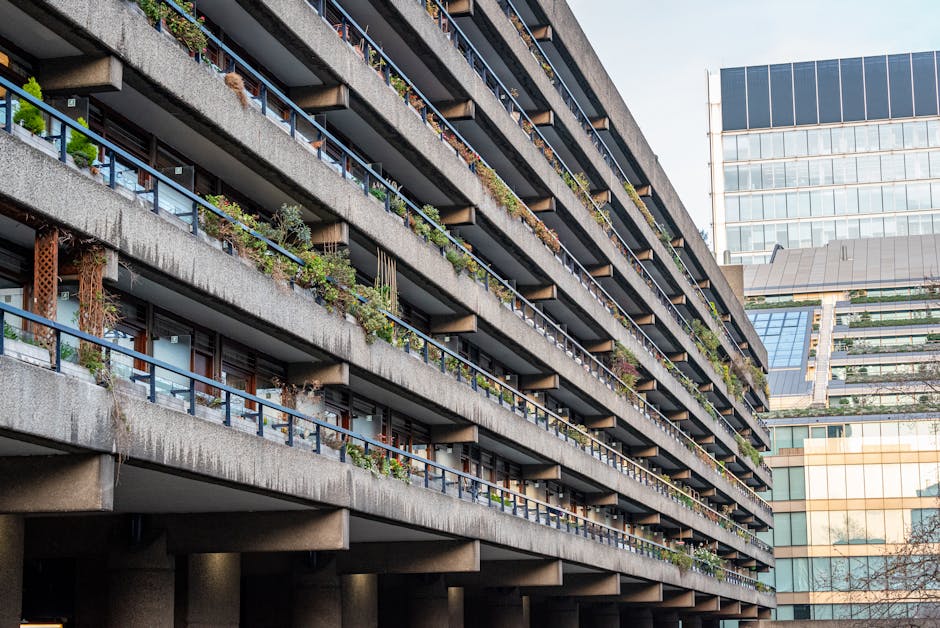
A venue like the Barbican lives or dies on details. People notice the feel of a place before they can explain it. A well-chosen display of architectural planting can soften concrete, guide the eye, frame entrances, and make a public venue feel welcoming rather than sterile. That is the real value here: planting is not decoration, it is part of the visitor experience.
In a high-footfall arts setting, planting also has practical functions. It can help define arrival points, mark transitions between inside and outside, introduce seasonal colour, and make large hardscape areas feel more human. A pot by a doorway does not need to shout. It just needs to feel intentional.
There is also a maintenance reality. Venue planting has to cope with fluctuating temperatures, wind tunnels, restricted access, occasional events, and the odd rushed setup before doors open. A beautiful scheme that collapses after three weeks is not beautiful for long. Truth be told, this is where experienced gardeners make the difference.
Expert summary: Successful venue planting balances design, durability, access, and easy maintenance. If one of those is missing, the whole scheme feels off.
How Barbican Centre gardeners for venue planting Works
Good venue planting starts with the site, not the plant list. A gardener working around a cultural venue will usually begin by looking at light levels, exposure, visibility, traffic flow, and the practical constraints of where containers or beds can go. This sounds simple, but it is where many rushed planting jobs go wrong. A plant that looks brilliant in a sheltered nursery bench may sulk on a windy terrace.
The process often includes a brief conversation about style and purpose. Are you aiming for calm, contemporary structure? Seasonal impact? A softer welcome at an entrance? Event-ready planting that can be refreshed around key dates? The answer changes everything, including the container type, drainage approach, and maintenance schedule.
After that comes the technical part: soil or growing medium, irrigation needs, container weight, access for watering, and plant selection. Venue planting often uses a mix of evergreen structure and seasonal interest so the scheme does not look tired halfway through the year. Small details matter too, such as whether the display will be viewed from a distance, seen up close, or photographed constantly because, let's face it, people do take pictures.
Where planting is part of a wider external refresh, it can sit alongside landscape gardening or broader landscaping work. If the scheme also includes hard surfaces, edging, or circulation changes, the planting needs to be planned with those elements from day one rather than added at the end like an afterthought.
Key Benefits and Practical Advantages
The obvious benefit is visual impact, but the better reasons are usually more operational.
- Improved first impressions: Visitors feel the venue is cared for and considered.
- Better spatial definition: Planting can subtly guide movement without barriers or signage overload.
- Seasonal flexibility: Displays can be adjusted for events, winter interest, spring colour, or summer fullness.
- Less visual harshness: Planting breaks up hard architecture and makes open areas feel more welcoming.
- Practical maintenance planning: A sensible scheme reduces emergency fixes and avoids constant replanting.
- Brand alignment: Planting style can echo the tone of the venue, whether formal, minimalist, creative, or calm.
There is a quieter benefit too. Good planting helps staff, visitors, and event teams feel that the space is under control. A tidy, coherent entrance can take pressure off everyone. You know it when you see it. The place just breathes better.
For venues that already need regular upkeep, linking planting with garden maintenance and, where needed, lawn mowing creates a more stable long-term result. It is much easier to keep a scheme looking good than to rescue one that has been neglected for months.
Who This Is For and When It Makes Sense
This kind of service is a fit for venue managers, facilities teams, event planners, estates staff, and property or operations leads who need planting that performs in a public setting. It is also useful for anyone managing a heritage, cultural, or mixed-use venue where presentation and practicality have to work together.
It makes sense when:
- the site has entrances, courtyards, terraces, or arrival points that feel bare or unfinished;
- existing planting is tired, inconsistent, or too difficult to maintain;
- you need seasonal displays for launches, performances, receptions, or public programming;
- the current planting creates access issues, obstructs sightlines, or looks cluttered;
- you want a more coherent outdoor identity without major construction work;
- you are coordinating planting with other site improvements, such as decking services or structural garden changes.
There are also times when a lighter touch is smarter. If the venue is about to undergo a larger refurbishment, you may only want temporary containers and a low-commitment maintenance plan. No point planting a long-term scheme into a space that will be ripped up in six months. Obvious, maybe, but it happens.
Step-by-Step Guidance
If you are planning venue planting for a place like the Barbican, this is the practical sequence that tends to work best.
- Define the purpose. Decide whether the planting is for welcome, direction, atmosphere, screening, seasonal display, or a mix of those.
- Assess the site conditions. Check light, shelter, drainage, access for watering, and how many people move through the space.
- Set the visual style. Choose whether you want bold, minimal, formal, naturalistic, or event-led planting.
- Pick the right planting format. Containers, raised beds, mixed planters, or a combination depending on access and permanence.
- Choose plant groups with structure. Use evergreens or architectural forms as the backbone, then add seasonal layers.
- Plan for maintenance access. Make sure the team can water, deadhead, replace, and clean without disrupting visitors.
- Install safely. Heavy planters, drainage, and positioning all need proper thought so the setup is stable and tidy.
- Review after installation. Watch how the planting behaves over the first few weeks. Small adjustments usually improve the final result.
A useful habit is to think in phases. Phase one is the immediate visual effect. Phase two is what the planting looks like after weather, foot traffic, and a few missed waterings. Phase three is whether it still feels good three months later. That is where the real quality shows.
Where planting is part of a wider site programme, it may be worth connecting with a gardener who can also help with hedge trimming or tree lopping and removal if overgrown elements are affecting light, safety, or the balance of the scheme.
Expert Tips for Better Results
After years of seeing planting schemes succeed, and a few not so much, certain patterns become obvious.
Start with structure, not flowers
Seasonal colour is lovely, but if the bones of the scheme are weak, it will always look temporary. Evergreens, grasses, clipped forms, and strong container shapes give the planting presence even in the quieter months.
Think about sightlines
In a public venue, planting should frame movement, not hide it. Keep entrances open, preserve visibility around corners, and avoid creating awkward blind spots. It sounds obvious. Still worth saying.
Use repetition carefully
Repeated containers or repeated plant types can create calm and rhythm. Too much variety, by contrast, becomes visual noise. The sweet spot is usually a restrained palette with one or two accents.
Make watering realistic
A brilliant scheme that nobody can water easily is a problem waiting to happen. Check whether taps are accessible, whether planters need hidden irrigation, and who is actually responsible on busy days.
Choose maintenance-friendly plants
Venue planting is not the place for high-maintenance divas unless you have a dedicated horticultural routine. Better to choose plants that tolerate pruning, wind, and the occasional dry spell.
And yes, sometimes the best design decision is the boring one. Boring can be elegant. Boring can also survive winter, which is handy.
Common Mistakes to Avoid
Most planting problems in venues are not dramatic. They are the slow, irritating kind that creep in because no one stopped to ask the right questions.
- Choosing plants for the nursery, not the site: Light and shelter at the venue may be very different.
- Overcrowding planters: It can look lush at first, then congested and messy very quickly.
- Ignoring drainage: Waterlogged roots ruin displays and create maintenance churn.
- Blocking access routes: Planting should never make movement awkward or unsafe.
- Using too many colours: A crowded palette often looks less premium, not more.
- Forgetting seasonal change: Some schemes look great for one month and flat for the rest of the year.
- Not planning replacements: A public venue needs a strategy for damaged or tired plants, not hopeful thinking.
One of the biggest mistakes is treating planting as a one-off purchase. It is not. It is a living system with upkeep, weather stress, and the occasional pigeon problem. Yes, pigeons. They are not invited, but they do turn up.
Tools, Resources and Recommendations
A professional planting setup usually depends on a practical toolkit rather than fancy gadgets. Think along these lines:
- quality containers or planters with proper drainage;
- growing medium suited to container planting;
- watering equipment that can reach all displays efficiently;
- pruning tools for shaping and deadheading;
- replacement stock kept in reserve for quick swaps;
- cleaning materials for keeping hard edges neat around planted areas;
- simple records for watering, feeding, replacements, and seasonal changes.
It also helps to work from a maintenance plan, not just a design mood board. A mood board is fine for starting the conversation. A watering rota is what keeps the thing alive.
If you are comparing service support, it can be useful to look at pricing and quotes early, especially if the planting scope may change after a site visit. For ongoing upkeep, read through the approach to recycling and sustainability so you understand how green waste, reuse, and responsible disposal are handled.
Law, Compliance, Standards, or Best Practice
Venue planting in the UK is not usually about a single dramatic rule. It is more about doing everyday things properly: reducing risk, keeping access clear, and making sure the site remains safe for staff and visitors. If the scheme sits in a public-facing environment, good practice matters as much as aesthetics.
Common expectations include clear access routes, stable planters, tidy edges, sensible placement around entrances, and careful handling of anything heavy. If planting is near steps, ramps, or crowded circulation points, the layout should support accessibility rather than challenge it. That is not just considerate; it is basic professionalism.
Where work involves tools, lifting, ladders, pruning, or tree work, health and safety planning should be straightforward and documented. It is also sensible to ensure contractors have suitable insurance and a clear safety process. For that reason, pages such as health and safety policy and insurance and safety are worth reviewing before any site work begins.
If access, visitor routes, or public use are part of the job, you should also consider how the planting contributes to accessibility. A well-run venue does not make people weave around planters or second-guess where to go.
Options, Methods, or Comparison Table
There is no single right way to approach venue planting. The best method depends on permanence, budget, access, and how often the display needs changing.
| Method | Best for | Advantages | Watch-outs |
|---|---|---|---|
| Container planting | Entrances, courtyards, temporary displays | Flexible, easy to refresh, strong visual impact | Needs regular watering and seasonal replacement |
| Raised bed planting | Longer-term feature areas | More planting depth, more stable look, can soften hard architecture | Requires proper build quality and ongoing care |
| Mixed scheme | Venues needing both structure and change | Balances permanence with seasonal variety | Needs careful planning to avoid clutter |
| Low-maintenance evergreen scheme | Busy sites with limited upkeep time | Reliable, neat, easier to manage | Can feel understated if not designed well |
In many venue settings, a mixed scheme is the sweet spot. Containers carry the first impression, while more permanent elements anchor the design. That balance tends to age better.
Case Study or Real-World Example
Imagine a venue entrance that feels severe in winter: hard paving, lots of stone, and not much softness. Visitors arrive in coats, look around, and the space feels efficient but not exactly welcoming. Nothing is broken, but something is missing.
A practical planting solution might use matching containers near key sightlines, evergreen structure to keep the entrance feeling full, and a small number of seasonal plants for colour. The containers need to be placed so they do not squeeze the path. Watering access has to be realistic. And if the venue has event peaks, the scheme must still look tidy when staff are rushing around with crates, signage, and last-minute changes.
After installation, the biggest improvement is often not dramatic colour. It is atmosphere. The entrance looks considered. People slow down half a step. The stone feels less severe. A few weeks later, once the plants settle and the routine is established, the whole space reads as more cared for. Simple, really, but not easy without planning.
Where necessary, this kind of project can sit alongside garden clearance to remove old, tired, or obstructive planting before the new scheme is installed.
Practical Checklist
Use this as a quick pre-installation check.
- Have the purpose of the planting been defined clearly?
- Are light, wind, and access conditions understood?
- Will the scheme stay safe and unobstructed for visitors?
- Is the planting style appropriate for the venue?
- Are the containers or beds suitable for long-term use?
- Is there a realistic watering and maintenance plan?
- Are replacement plants available if something fails?
- Has the scheme been checked against event flow and sightlines?
- Are health and safety expectations agreed before work starts?
- Does the design still make sense in winter, not just at peak bloom?
If you can answer yes to most of those, you are probably in decent shape. If not, better to pause and refine the plan than rush ahead. A few thoughtful adjustments now will save a lot of grumbling later.
Conclusion
Barbican Centre gardeners for venue planting are doing more than placing plants in public space. They are shaping first impressions, supporting movement, softening architecture, and keeping a complex venue looking composed through changing seasons. That takes practical judgement, not just a good eye.
The best results come from planning around the real site, the real maintenance routine, and the real pressures of a live venue. If the planting is easy to care for, visually coherent, and safe for visitors, it will quietly do its job day after day. And that is usually the mark of good work. You notice the feeling before you notice the details.
If you are ready to improve a venue entrance, refresh tired containers, or build a planting scheme that looks good and behaves properly, start with a clear brief and a team that understands the difference between decorative and durable.
Get a free quote today and see how much you can save.
Frequently Asked Questions
What do Barbican Centre gardeners for venue planting actually do?
They plan, install, and maintain planting schemes suited to a public venue. That usually includes container planting, seasonal refreshes, plant care, and adjustments to keep the display safe and attractive.
Is venue planting different from normal garden planting?
Yes. Venue planting has to deal with heavier foot traffic, tighter access, stronger design expectations, and more frequent presentation checks. It is less about private enjoyment and more about public-facing performance.
How often does venue planting need maintenance?
That depends on the planting style and the season, but regular checks are important. In many cases, watering, tidying, deadheading, and replacement work need to happen on a scheduled basis rather than only when something looks wrong.
Can planting be used to improve a venue entrance?
Absolutely. Entrance planting is one of the most effective ways to soften hard architecture, guide visitors, and create a stronger first impression without major building work.
What plants work best in a busy public venue?
Usually a mix of structural evergreens, resilient perennials, grasses, and seasonal accents works well. The exact choice depends on light, shelter, and how much maintenance the site can realistically support.
Do venue planting schemes need drainage?
Yes, drainage is essential. Without it, containers and beds can become waterlogged, which damages plants and creates avoidable maintenance problems.
How do you keep planting looking good all year?
The trick is to build in structure first, then layer seasonal plants over the top. That way the scheme still feels intentional in winter, not just during peak flowering months.
What are the most common mistakes with venue planting?
Overcrowding, poor plant choice, blocked access, weak drainage, and no maintenance plan. Those are the big ones. They sound basic, but they cause most of the problems.
Can planting be adjusted for events or seasonal programming?
Yes. Temporary containers, flexible displays, and seasonal replanting can all be used to support launches, performances, receptions, and other venue activity. It just needs planning ahead.
Should venue planting be linked to other outdoor work?
Often, yes. Planting is stronger when it is coordinated with wider work such as landscaping, garden maintenance, or clearance of old planting. Otherwise, the new scheme can end up fighting the rest of the site.
How do I know if my venue needs a simple refresh or a bigger planting redesign?
If the current planting is basically fine but just tired, a refresh may be enough. If it blocks movement, looks inconsistent, or no longer suits the space, a redesign is usually the better route.
Where should I start if I want a quote or a site visit?
Start with a clear brief about your space, your goals, and your maintenance expectations. Then use the contact route that suits you best and compare it with the information on pricing and quotes and contact us so the next step is straightforward.