
Gardener Barbican: Recycling and Sustainability for an Eco-Friendly Waste Disposal Area
As the Gardener Barbican team we prioritise a practical, local approach to sustainable gardening and the creation of an eco-friendly waste disposal area for communal green spaces. Our plan balances meticulous horticulture with strong waste reduction targets so that every garden bed, planter and rooftop contributes to borough-wide climate goals. The Barbican gardener programme focuses on reducing landfill, increasing reuse and improving the quality of compost and mulch returning to the soil.
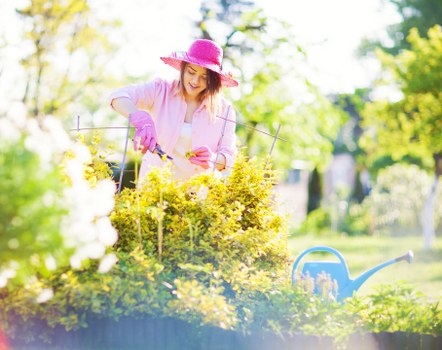
![A woman in gardening gloves is pruning a flowering bush in a well-maintained garden outdoor space, with a large stone feature and a wooden fence in the background. The garden includes lush green foliage, a variety of shrubs, and flowering plants with pink and white blooms, set against a backdrop of a cloudy sky and trees. The scene shows natural sunlight illuminating the garden, highlighting the healthy, vibrant leaves and blossoms. The woman appears to be engaged in sustainable gardening practices, which aligns with environmental and recycling themes associated with gardening services in the local area. The overall landscape is tidy, with a cleared ground and a mix of natural textures from soil, plant foliage, and stone features, emphasizing the importance of maintaining healthy outdoor environments for sustainable gardening and landscaping in the locality near [POSTCODE] and [TOWN]. This scene illustrates professional gardening care provided by Gardener Barbican, focusing on outdoor plant nurturing and garden upkeep.](/pub/_photos/gardening/f1381842944.jpg)
Vision and Recycling percentage target
Our headline aim is clear: achieve a recycling target of 70% for all garden-related waste within three years, and reach 80% for dry recyclable materials collected from garden operations by year five. This target mixes green waste composting, wood recycling, and separated dry recyclables so that the sustainable rubbish gardening area becomes a net contributor to local resource loops. The recycling percentage target is ambitious but realistic when paired with improved segregation and community partnerships.
How we structure the sustainable rubbish gardening area
We design the site to mirror the boroughs' approach to waste separation: distinct streams for food and garden waste (brown bins/caddies), mixed dry recycling (paper, cardboard, metal, plastic) and a separate bulky/wood stream for branches and timber. The layout includes covered bays to keep materials dry, signage in multiple languages, and colour-coded containers that align with local council schemes, helping residents and the team follow a consistent waste hierarchy.
Local transfer stations and logistics
To maintain low transport emissions and quick turnaround, Gardener at Barbican partners with nearby transfer stations and material recovery facilities. Typical local transfer stations we use include the North London Transfer Station and the City Green Materials Hub, which accept segregated green waste, inert soil, and wood for chipping. Strategic routing to these facilities reduces double-handling and keeps material quality high so compost and mulch can be reused locally rather than shipped long distances.
Partnerships with charities and reuse networks
We work closely with community organisations and charities to extend the life of garden items that would otherwise become waste. Examples of collaborative activity include:
- Tool and equipment reuse - donating serviceable hand tools and planters to local community gardens via charity partners;
- Compost redistribution - providing surplus compost to food-growing charities and allotment groups;
- Salvage for art and education - supplying reclaimed timber and non-toxic materials to schools and arts groups for workshops.
These partnerships reduce disposal volumes and support a circular economy by keeping materials in local use. The Barbican gardening ethos stresses reuse before recycling, ensuring the sustainable rubbish gardening area is a place of resource recovery rather than mere storage.
Low-carbon fleet and operational emissions
Low-carbon vans are central to our low-impact logistics. The Gardener Barbican fleet includes electric vans for short urban rounds and hybrid models for heavier loads; when needed, we deploy biomethane-assisted vehicles for green waste bulk movements. Running an efficient, low-emission fleet reduces the carbon footprint of waste transfers to the borough's transfer stations and supports the wider municipal aim to decarbonise urban services.
Route optimisation software and scheduled consolidation of collections cut mileage and emissions further. We also apply strict load separation so that transport carries only compatible material streams — keeping contamination low and ensuring higher recycling yields at the destination processing sites.
Community engagement and education
Gardener Barbican runs regular workshops and demonstration days for residents and neighbouring estates to explain sorting rules and composting basics. We use clear, visual materials to reflect local waste separation policies — for example, explaining the borough approach to mixed dry recycling versus food waste caddies and the correct handling of garden waste. These efforts increase participation and help achieve our recycling percentage target by reducing contamination.

Monitoring, reporting and continuous improvement
We measure progress with quarterly audits of the eco-friendly waste disposal area, tracking kilograms diverted from landfill, volumes of compost produced, and the proportion of materials reused or donated through charity partnerships. Data-driven reviews allow rapid adjustments to collection frequency, container sizing, and educational priorities so that the sustainable rubbish gardening area evolves with changing needs.
Strong governance and community oversight ensure transparency: we publish non-sensitive metrics and share best practices with neighbouring borough gardeners and housing associations. This collaborative model helps scale successful approaches and aligns Gardener Barbican's operations with wider municipal recycling initiatives.
Conclusion: Gardener Barbican's integrated recycling and sustainability plan transforms routine garden maintenance into a driver of resource recovery. By combining a bold recycling percentage target, reliable partnerships with local transfer stations and charities, and a low-carbon van fleet, the Barbican gardener programme sets a practical standard for sustainable urban gardening and waste management.